Key takeaways
- Loneliness is common for people with developmental disabilities. Covey, a nonprofit serving people with IDD, reports that 85% of young adults with developmental disabilities feel lonely most days (Covey). National survey data shows 1 in 4 adults receiving IDD services has no friends outside of staff and family (NCI, 2024-25).
- Social connection protects health. Lacking social connection raises the risk of early death as much as smoking up to 15 cigarettes a day (U.S. Surgeon General, 2023).
- Caregivers need connection too. Social isolation is one of the greatest challenges for caregivers who provide round-the-clock care.
- Small, regular activities help most: group classes, clubs and family events where the same people meet again and again.
The loneliness gap
People with developmental disabilities often have small social circles, and many want more connection than they have. The National Core Indicators survey of adults receiving state IDD services found (NCI, 2024-25):
| Measure | Adults receiving IDD services |
|---|---|
| Have friends who are not staff or family | 76% |
| Can see friends in person when they want | 68% |
| Want help making or keeping in touch with friends | 57% |
| Often feel lonely | 13% (up to 21% in institutional settings) |
Other sources report higher numbers. Covey reports that 85% of young adults with developmental disabilities feel lonely most days, and that people with IDD have a social network of about 3 people, compared with about 125 for the general population.
Families feel it too. Best Buddies, citing a national caregiver survey, reports that 78% of caregivers fear their loved one with IDD will be lonely or socially isolated (Best Buddies).
Benefits of socializing for people with disabilities
Social connection is as important to health as diet and exercise. The U.S. Surgeon General’s 2023 advisory found that poor social connection is linked to (U.S. Surgeon General):
- a 29% higher risk of heart disease
- a 32% higher risk of stroke
- a 26% higher risk of early death from loneliness, and 29% from social isolation
For people with developmental disabilities, regular social activity also brings everyday benefits:
- Friendship and belonging: a group that meets regularly gives people the same faces to see and a place where they’re included and valued.
- Practicing social skills: greeting others, taking turns and working as a team, learned in a real setting rather than a classroom.
- Better mood: loneliness is closely tied to stress and depression, which people with disabilities already report at higher rates (CDC).
- Confidence and independence: trying new activities and making plans with friends builds self-advocacy.
- Staying active: social activities like group fitness classes and sports combine friendship with exercise.
Benefits for families and caregivers
Caregiving for a loved one with a developmental disability can be isolating. “Social isolation is one of the greatest challenges affecting caregivers, especially those providing round-the-clock care” (Autism Links). National Core Indicators notes that caregiving can bring added stress, lost income and reduced health and quality of life (NCI).
Social events that include the whole family help caregivers:
- Connect with families who understand, without having to explain their situation.
- Share tips and resources, from regional center services to local programs.
- Feel less alone. As one caregiver program puts it, “we just want to let the caregivers know they are never alone” (Autism Links).
- See their loved one thrive and make friends in a safe, welcoming setting.
- Find peace of mind knowing their loved one has a community beyond the family (Easterseals).
Ways to build more social connection
- Join a small group activity that meets every week, like an adaptive fitness class, art class or sports team. Seeing the same people regularly turns classmates into friends.
- Try a friendship program such as Best Buddies California, which pairs people with and without intellectual and developmental disabilities (Best Buddies).
- Use your city’s adaptive recreation, such as the City of Pasadena’s Interact group for adults with IDD (City of Pasadena).
- Add social goals to the IPP, such as “join a community group activity once a week,” and ask about social recreation and SDP options.
- Find a parent group for yourself, through your regional center or a local family resource center.
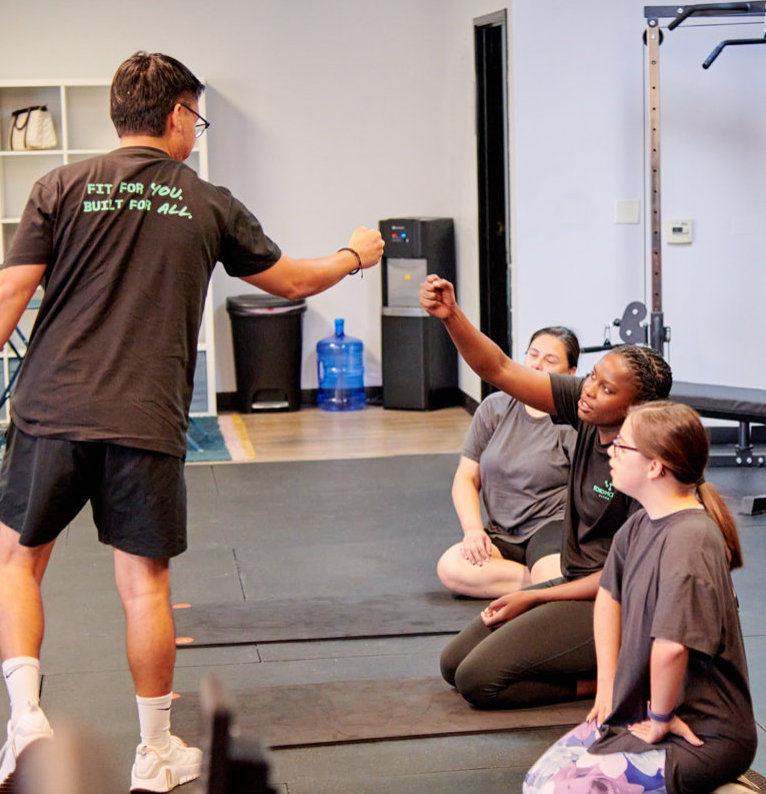
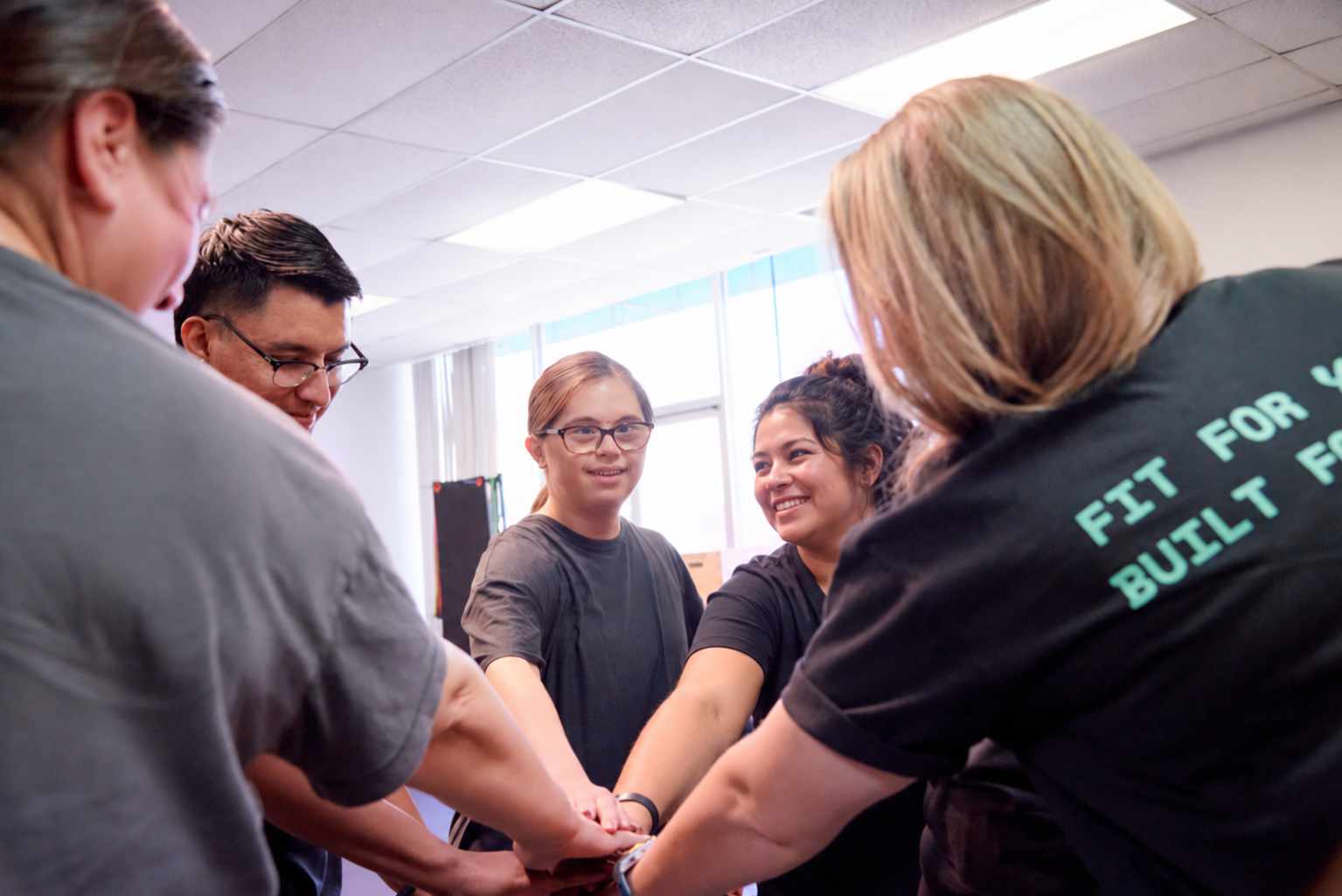
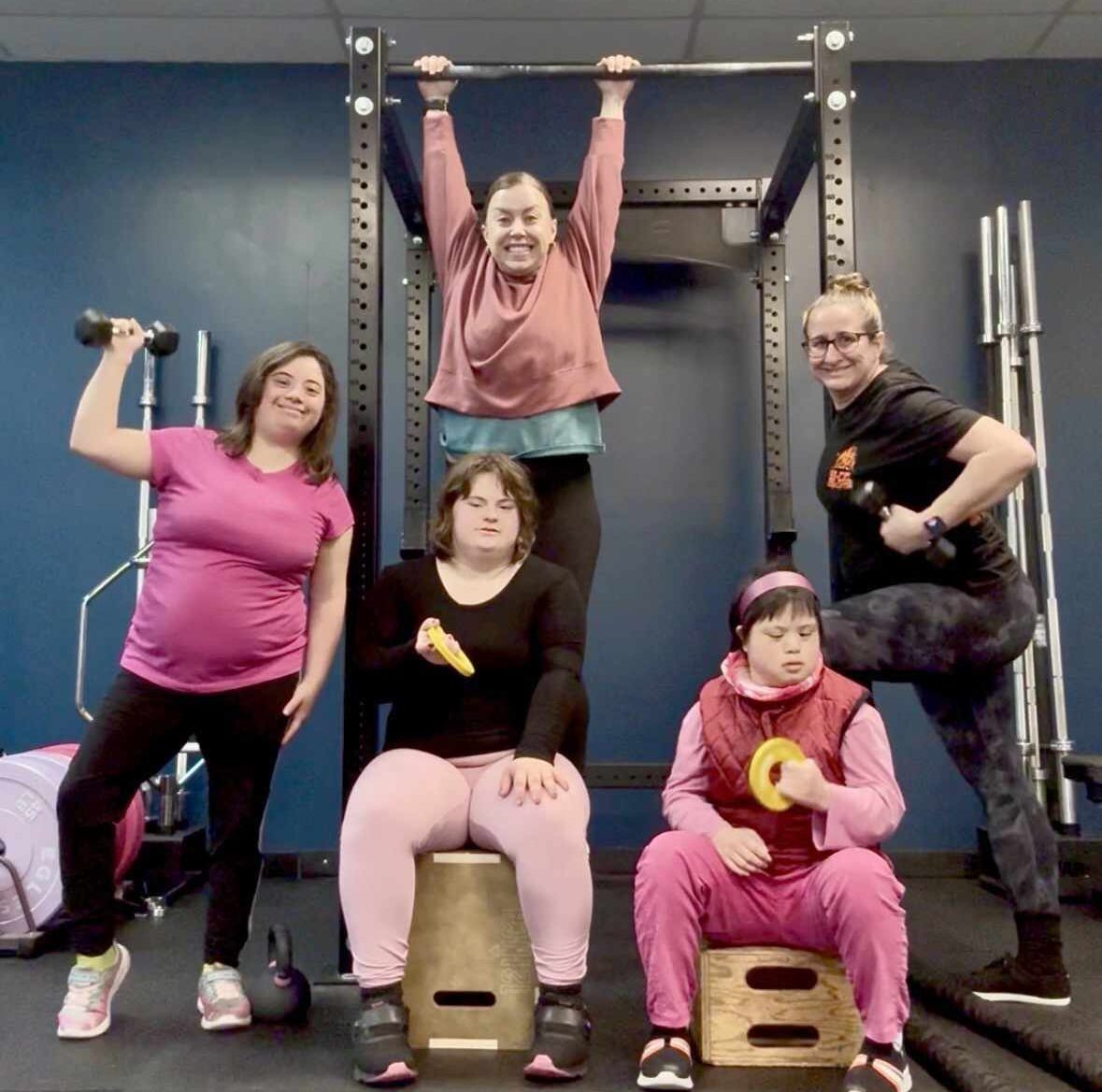
Echo Motion Fitness social events: Echo Motion’s small-group classes in Pasadena (up to 4 athletes per coach) and nonprofit-funded social events bring athletes, families and caregivers together to have fun, make friends and build a community where no one feels alone. Learn more or book a free consultation, or call or text (626) 344-8562.
Looking for local programs? See our resource guides for Lanterman, ELARC and San Gabriel/Pomona Regional Center families.
Frequently asked questions
Why is socializing important for people with developmental disabilities?
Social connection supports mental and physical health, builds social skills and confidence, and reduces loneliness. Poor social connection is linked to a 29% higher risk of heart disease and a 32% higher risk of stroke.
How common is loneliness among people with developmental disabilities?
National survey data shows about 1 in 4 adults receiving IDD services has no friends outside staff and family, and 57% want help making or keeping in touch with friends. Some organizations report much higher rates of loneliness among young adults.
How can caregivers of people with disabilities avoid isolation?
Join parent support groups, attend family-friendly community events and connect with other families through your regional center or local programs.
Can regional center funds pay for social activities?
Social and recreational goals can be written into the IPP, and Self-Determination Program spending plans can include community integration supports such as recreation programs. Ask your service coordinator.
Where can my adult child make friends near Pasadena?
Options include Echo Motion Fitness small-group classes and social events, the City of Pasadena’s Interact adaptive recreation group, and Best Buddies California.
More guides for families
Sources
- U.S. Surgeon General: Our Epidemic of Loneliness and Isolation (2023)
- National Core Indicators: 2024-25 Relationships Report
- National Core Indicators: Paid Family Caregivers Data Highlight (2023)
- Covey: Loneliness
- Best Buddies: Supporting the Entire Community
- Best Buddies California
- CDC: Disability and Health Related Conditions
- Autism Links: Caregiver Support Network
- Autism Links: A 150 Minutes Break
- Easterseals Wisconsin: Adult Respite
- City of Pasadena: Adaptive Recreation
Ready to start moving?
Your first consultation is free. Tour the gym, meet a coach and plan your first session. No waitlist, open 7 days a week.