Key takeaways
- Nearly half of adults with disabilities get no leisure-time aerobic activity, and adults with disabilities are 3 times more likely to have heart disease, stroke, diabetes or cancer (CDC).
- Regular exercise helps control weight, improves mental health, lowers the risk of early death and supports independence in daily living (CDC).
- The goal: 150 minutes of moderate activity a week (about 25 minutes a day), plus muscle-strengthening 2 or more days a week, adapted to each person’s abilities.
- California families can add fitness to their regional center plan by talking to their service coordinator, and SDP participants can include adaptive fitness in their spending plan.
Why fitness matters for people with disabilities
People with disabilities are far less active than the general population, and the health costs are serious. According to the CDC, nearly half of adults with disabilities get no leisure-time aerobic activity, and adults with disabilities are 3 times more likely to have heart disease, stroke, diabetes or cancer (CDC, 2025).
The risks are especially high for people with intellectual disabilities:
- Obesity: the CDC says children and adults with intellectual or learning disabilities are at the greatest risk for obesity (CDC).
- Shorter lives: Special Olympics reports that people with intellectual disabilities die on average 16 years sooner than the general population (Special Olympics).
- Stress and depression: people with disabilities report higher rates of stress and depression than people without disabilities (CDC).
The CDC names common barriers: few accessible facilities and programs, a lack of fitness professionals trained to adapt exercise, and limited money, transportation and social support. These barriers explain the gap, and an adaptive fitness program is built to remove them.
Benefits of a regular fitness program
A regular, adapted fitness routine supports the whole person: body, mind and daily life. Use this table to explain to your planning team why fitness belongs in the plan.
| Benefit | What it can mean for your child |
|---|---|
| Lower risk of chronic disease | Less risk of heart disease, stroke, diabetes and cancer, which adults with disabilities face at 3 times the rate |
| Healthy weight | Helps control weight, which matters because people with intellectual disabilities are at the highest risk for obesity |
| Better mental health | Improves mood and mental health and helps manage stress |
| Longer life | Lowers the risk of early death |
| Independence in daily living | Builds the strength and stamina for everyday tasks like carrying groceries, climbing stairs and getting dressed |
| Wellness for adults with intellectual disabilities | Structured health programs help prevent secondary conditions |
| Social connection | Group classes create friendships. Poor social connection raises heart disease risk by 29% and stroke risk by 32% |
How much is enough? The Physical Activity Guidelines for Americans recommend at least 150 minutes of moderate aerobic activity a week, which can be split into about 25 minutes a day, plus muscle-strengthening on 2 or more days. Adults with disabilities who can’t meet that should be as active as their abilities allow (CDC).
How to add fitness to your child’s regional center plan
In California, regional center services are planned with your service coordinator.
- Ask your service coordinator about adaptive fitness providers vendored with your regional center. Here is a template you can use:
I’d like to request adaptive fitness services for [athlete name] (UCI # [number]) with Echo Motion Fitness in Pasadena. Echo Motion Fitness is a vendor with our Regional Center. Vendor #: PP3585
[Athlete name] would like to work on [goals, for example strength, balance and social skills] through [private 1:1 / small group] sessions. Could you let me know the next steps for authorization?
- If you’re in SDP, add fitness to your spending plan. SDP’s service definitions include “therapeutic and/or physical activities” and “art and recreation programs” under community integration supports.
- Get a doctor’s support. Adults with disabilities are 82% more likely to be physically active when a doctor recommends it, yet only 44% who saw a doctor got that recommendation (CDC). A doctor’s note can also back up your request.
What to look for in an adaptive fitness program
- Trainers with disability experience, not just a general personal training certificate.
- Small groups or one-on-one sessions, so every athlete gets attention.
- Individualized plans built from an assessment of each athlete’s abilities and goals.
- A calm, sensory-friendly space without the crowds and noise of a big gym.
- Regional center vendor status or SDP acceptance, so the program fits your funding.
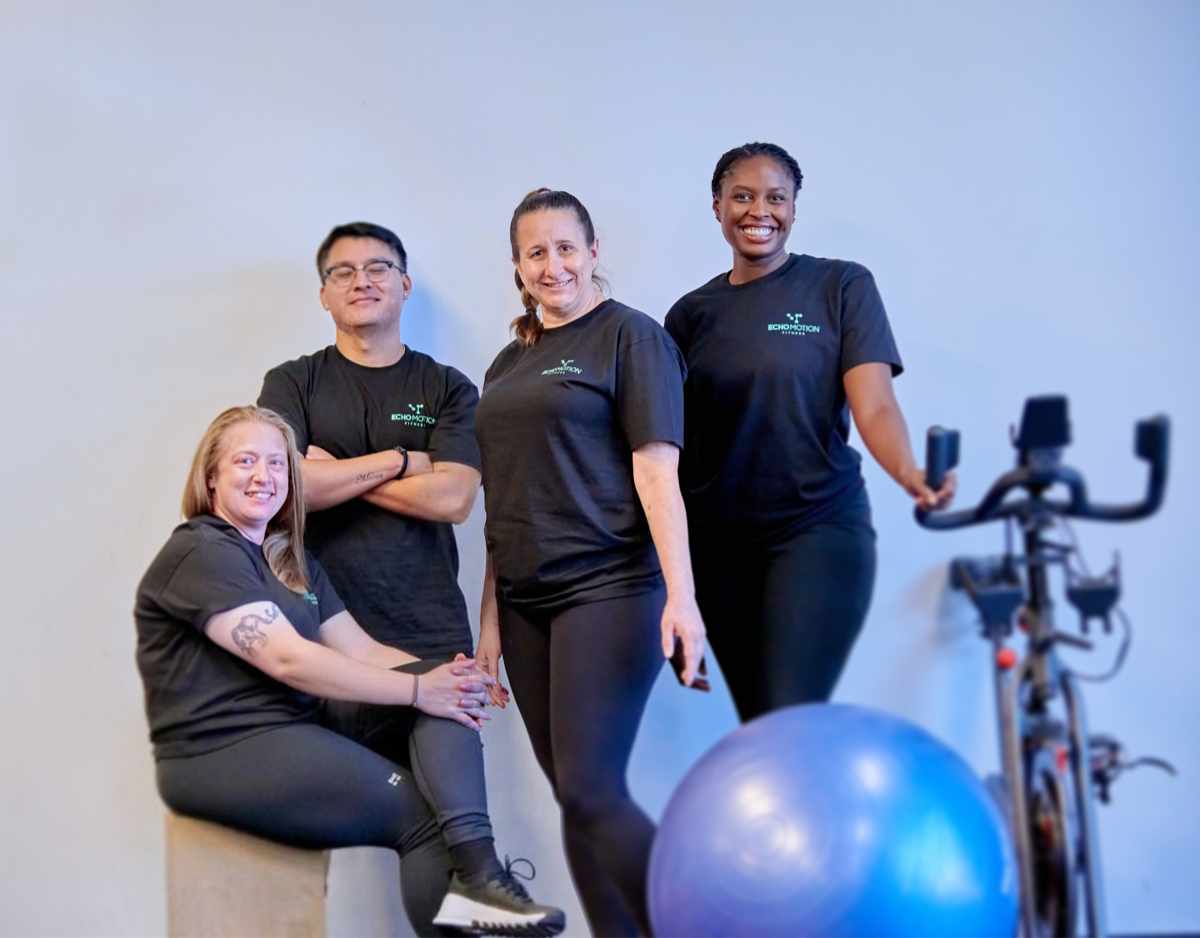
Echo Motion Fitness in Pasadena offers adaptive personal training, small-group classes (up to 4 athletes per coach) and virtual coaching for athletes ages 10+. Founder Melissa Schaffer spent more than 20 years as a special education teacher and is an NASM Certified Personal Trainer. Echo Motion is vendored with Lanterman, ELARC and San Gabriel/Pomona Regional Centers (Vendor ID PP3585) and accepts SDP under Service Code 331. Book a free consultation or call or text (626) 344-8562.
Frequently asked questions
What are the benefits of exercise for people with developmental disabilities?
Regular exercise helps control weight, improves mental health, lowers the risk of heart disease, stroke, diabetes, cancer and early death, and builds the strength needed for daily living and independence.
How much exercise should a person with a disability get?
Aim for 150 minutes of moderate activity a week (about 25 minutes a day) plus muscle-strengthening 2 days a week, adapted to the person’s abilities. Some activity is better than none.
What’s the difference between adaptive fitness and physical therapy?
Physical therapy treats a specific medical condition and is usually prescribed. Adaptive fitness is ongoing exercise coaching that builds strength, balance and endurance and fits into everyday life.
Where can I find adaptive fitness near Pasadena?
Echo Motion Fitness at 3124 E Colorado Blvd in Pasadena offers private, small-group and virtual adaptive training for ages 10+.
More guides for families
Sources
- CDC: Increasing Physical Activity among Adults with Disabilities (2025)
- CDC: Physical Activity for People with Disability (2025)
- CDC: Disability and Obesity
- CDC: Disability and Health Related Conditions
- Special Olympics: Inclusive Health
- U.S. Surgeon General: Our Epidemic of Loneliness and Isolation (2023)
- DDS: Individual Program Plan
- DDS: Self-Determination Program FAQ
- DDS: SDP Service Definitions
Ready to start moving?
Your first consultation is free. Tour the gym, meet a coach and plan your first session. No waitlist, open 7 days a week.